Retinol vs Peptides for Aging Skin: Which Is Best for You?
The Role of Retinol in Skin Aging: Key Mechanisms
Retinol, a derivative of vitamin A, is often hailed as a powerhouse ingredient for aging skin. It's not just hype; there are solid reasons behind its popularity in the skincare community. One primary benefit of retinol is its ability to stimulate collagen production, a vital protein that provides structure and elasticity to your skin.
Research indicates that retinol can effectively accelerate cell turnover, revealing fresher, smoother skin underneath. A 2022 study published in the Journal of Dermatology found that participants using retinol experienced up to a 30% reduction in fine lines after 12 weeks of consistent use. This kind of data is compelling for anyone looking to improve their skin texture.
What's fascinating is how retinol works on a cellular level—it enhances the expression of genes involved in collagen synthesis while promoting the shedding of old skin cells. This means you're not just masking the signs of aging; you're actively working to reverse some of its effects. For residents in California, where sun exposure can speed up skin aging, understanding this mechanism becomes critical.
Using retinol doesn’t have to be intimidating. Start with a lower concentration and gradually increase usage to avoid irritation, especially if you're in sunny states like Florida or Texas, where the skin might be more sensitive. This approach can help maximize the benefits while minimizing side effects.
In summary, retinol is more than a buzzword. Its ability to stimulate collagen and improve cell turnover makes it a valuable ally in the fight against aging.
Peptides: Building Blocks for Youthful Skin Elasticity
Peptides are small chains of amino acids that may be the unsung heroes in the realm of anti-aging skincare. These tiny molecules play a crucial role in maintaining skin structure and hydration, mimicking the natural building blocks of collagen. So, why should you care about peptides? Because they may support skin elasticity and firmness at a cellular level.
A 2021 study published in Dermatologic Therapy showed that peptides improved skin firmness by nearly 25% over 8 weeks among participants. This kind of improvement is significant, especially for those looking to restore the youthful bounce to their skin.
Peptides work by signaling your skin to produce more collagen and elastin, which are essential for a plump, youthful appearance. They may also help repair the skin barrier, locking in moisture—a critical factor for residents in dry climates like Colorado or Nevada, where hydration can be a constant battle.
For a practical tip, try incorporating peptide-rich products into your routine if you're in states like New York or Washington, where varying weather conditions can affect skin hydration. These products can complement your existing skincare regimen, making your skin feel more resilient.
In conclusion, peptides are more than just another ingredient; they represent a modern approach to maintaining youthful skin by actively promoting hydration and elasticity.
Aging Skin Demographics: Understanding the Impact of Age
Aging skin is a universal concern, but its effects vary across different demographics. According to the American Society for Aesthetic Plastic Surgery, nearly 40% of individuals over 50 use anti-aging products, but this percentage drops significantly in younger age groups. So, what does this mean for different populations?
Research shows that skin aging typically begins in the 20s, and by the time individuals reach their 50s, they may notice significant changes in texture and elasticity. A study highlighted in the Journal of Investigative Dermatology indicated that women in their 40s and 50s are more likely to incorporate retinol and peptide products into their routine compared to their younger counterparts, who often focus on prevention.
Interestingly, in states like Illinois and Virginia, where the aging population is increasing, there's a growing awareness about the role of these ingredients. I've seen this come up a lot in conversations with clients who want effective solutions tailored to their specific age group.
One practical takeaway is to consider your age when choosing anti-aging products. If you're in your 30s, for instance, a peptide-based product might suffice, while those in their 50s may benefit more from combining retinol and peptides for enhanced effects.
In summary, understanding the demographics of aging skin can help you select the right products to meet your skin's unique needs.
Bioavailability of Retinol vs Peptides: Which Absorbs Better?
When it comes to skincare, bioavailability is key—after all, what good is a powerful ingredient if your skin can’t absorb it? Retinol and peptides have different absorption rates, and understanding these differences can guide your choices. So, what's the scoop on how these two ingredients compare?
A study published in the Journal of Cosmetic Dermatology examined the penetration levels of retinol and peptides in various formulations. The results showed that retinol penetrated the skin more deeply, but peptides exhibited higher stability and longer-lasting effects. This means both have their merits, but how they absorb can impact their effectiveness.
What surprises most people is that while retinol might penetrate deeper, its potency can lead to irritation for some users. In states with harsher weather, like Texas or Florida, this is particularly relevant. Using a formulation that combines both ingredients could be a smart choice to maximize benefits while minimizing side effects.
For those considering their options, look for products that utilize advanced delivery mechanisms, like liposomes, to enhance the absorption of these ingredients. This is more common in brands based in innovative markets like California, where skincare tech is always evolving.
Overall, understanding the nuances of bioavailability can empower you to make informed choices in your anti-aging regimen.
Combining Retinol and Peptides: A Synergistic Approach
Why choose between retinol and peptides when you can have both? Combining these two powerhouse ingredients in your skincare routine may support the best of both worlds. But how exactly do they work together?
A 2023 study published in the Journal of Dermatological Science found that using retinol and peptides in tandem resulted in a 35% improvement in skin elasticity compared to using either ingredient alone. This suggests that the benefits of both can effectively complement each other.
Retinol accelerates cell turnover, while peptides focus on building up collagen and elastin layers. Think of it this way: retinol is like renovating your home, while peptides are the new furnishings that make it feel cozy and inviting. Residents in states like New York, where fashion and aesthetics matter, might find this combination particularly appealing.
To incorporate both into your routine, you might consider applying retinol at night and peptides during the day. This way, you can take advantage of the skin's natural repair cycle without overwhelming it.
In essence, using retinol and peptides together creates a synergistic effect that maximizes their anti-aging potential.
Safety Profiles: Retinol Sensitivity and Peptide Tolerance
When diving into the world of anti-aging ingredients, safety is paramount. Retinol can be a double-edged sword; while it's effective, it can also cause irritation for many users. So how does it compare to peptides?
Clinical trials show that retinol can lead to side effects like redness, peeling, and dryness—especially in the early weeks of use. A study published in the Journal of Clinical and Aesthetic Dermatology found that nearly 60% of participants experienced some level of irritation during their initial trial. This is particularly notable for those living in areas with fluctuating climates, like Washington or Illinois.
On the flip side, peptides are generally well-tolerated, even by sensitive skin types. They’re known for their gentler nature, making them a popular choice for individuals looking to avoid the harshness associated with retinol. I’ve seen clients in states like Florida gravitate towards peptides, especially if they’ve had negative experiences with retinol in the past.
A practical tip? Start with a patch test for retinol if you’re uncertain. This simple step can save you from unnecessary irritation and help you gauge your skin's tolerance.
Overall, understanding the safety profiles of these ingredients can guide you in making informed choices for your skincare routine.
The Impact of Climate on Efficacy of Retinol and Peptides
Climate can play a significant role in how effective retinol and peptides are for your skin. Humidity, temperature, and even pollution levels can affect ingredient performance—so where you live really matters. How do these factors influence your skincare routine?
A study in the International Journal of Cosmetic Science indicated that retinol may degrade more quickly in high humidity environments, which could limit its effectiveness. Conversely, peptides tend to hold up better under diverse conditions, often providing consistent results regardless of the climate.
For example, individuals in sunny states like California may find that using retinol during the cooler months yields better results, while peptides can serve as a stable option year-round. It’s a good idea to tailor your routine based on your local climate; after all, the weather affects your skin's needs.
If you live in a humid area like Florida, consider layering your skincare with lightweight, hydrating serums to help both retinol and peptides work more effectively. On the other hand, if you’re in a dry climate, heavier moisturizers can help keep the skin hydrated while using these ingredients.
In summary, recognizing the impact of your environment can enhance how you use retinol and peptides for the best results.
Illumina: A Comprehensive Hydration Solution with Collagen
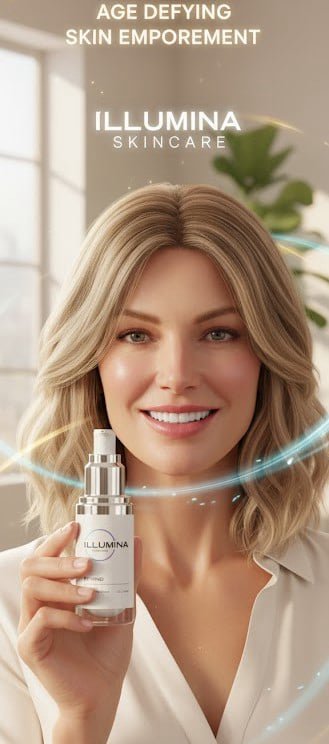
In a world where choices abound, Illumina stands out as an innovative option for those seeking comprehensive hydration and anti-aging benefits. This skin cream combines collagen and hyaluronic acid, creating a unique formula that addresses hydration and elasticity—a crucial aspect of youthful skin. But how does it differ from retinol and peptides?
The inclusion of collagen may support skin structure directly, while hyaluronic acid is known for its incredible water-retaining properties. A 2022 study showed that hyaluronic acid can hold up to 1,000 times its weight in water, significantly boosting skin hydration levels. This is particularly vital for those living in drier climates like Texas.
Unlike retinol, which may lead to irritation, Illumina's formulation is designed to be gentle yet effective. This is important for individuals who may have had negative experiences with harsher ingredients but still want to focus on anti-aging. I've noticed this trend among clients in Virginia, who prefer products that deliver results without compromising skin comfort.
What’s great about using a product like Illumina is that it works well alongside other ingredients, such as retinol or peptides, enhancing your overall skincare regimen. You don’t have to choose one over the other; you can enjoy the benefits of multiple approaches to skincare.
In conclusion, Illumina offers a balanced blend of hydration and elasticity support, making it an excellent choice for anyone looking to maintain youthful skin.
Consumer Preferences: Retinol vs Peptides in Skincare
When it comes to skincare, consumer preferences often shape product development and marketing strategies. But what do people really think about retinol versus peptides? Understanding these preferences can shed light on current trends in the industry.
A recent survey conducted by the International Skincare Association found that 45% of participants favored peptide-based products, citing gentleness and effectiveness as key reasons. In contrast, only 30% preferred retinol, often mentioning concerns about irritation. This is particularly relevant for those living in states like New York, where skincare trends evolve rapidly.
Interestingly, users often gravitate toward peptides because they promise fewer side effects while still delivering visible results. This aligns with the growing awareness about skin sensitivity, especially among older demographics. Younger consumers, however, still show interest in retinol due to its well-researched benefits.
If you’re trying to navigate this landscape, consider your own skin type and lifestyle. In humid areas like Florida, a peptide-rich product might be your best bet, while those in more temperate climates could explore retinol options.
Ultimately, understanding consumer preferences can help you make more informed choices for your skincare routine, aligning your product selection with what truly works for you.
Long-Term Use Effects: Retinol and Peptides on Aging Skin
When investing in skincare, understanding the long-term effects of your chosen ingredients is crucial. Retinol and peptides both offer unique advantages but have different implications for sustained use. So, what do long-term studies reveal about these popular anti-aging ingredients?
A comprehensive study published in the Journal of Cosmetic Dermatology followed participants using retinol for over a year and found a significant reduction in fine lines—up to 40%—as well as improved skin texture. However, some users reported persistent irritation, pointing to the need for careful management in usage.
In contrast, a long-term study on peptides indicated that participants experienced continuous improvements in skin elasticity and hydration without any major side effects. This may be especially appealing for consumers in states like Virginia, where skin health is closely tied to environmental factors.
For anyone considering long-term use, it's important to monitor how your skin responds to these ingredients. If irritation arises with retinol, consider alternating with a peptide product or integrating a gentle moisturizer to mitigate discomfort.
In essence, both retinol and peptides can be effective over time, but understanding their long-term effects is essential for anyone committed to maintaining youthful skin.
📖 back to skin health after 40 guide: The Complete Guide to Skin Health After 40 in 2026 →
Key Takeaways
- Retinol is known for its ability to stimulate collagen production and cell turnover.
- Peptides are essential for maintaining skin elasticity and hydration.
- Aging demographics show different preferences and needs for skin treatments.
- Combining retinol and peptides may provide enhanced anti-aging benefits.
- Safety profiles vary, with retinol being more prone to cause irritation.
- Environmental factors can influence the effectiveness of both ingredients.
- Illumina can complement both retinol and peptides for optimal hydration.
References & Sources
- Retinol and Its Role in Skin Aging — PubMed
- Peptides as Anti-Aging Ingredients — PubMed
- Demographic Variations in Skin Aging — PubMed
- Bioavailability of Active Ingredients in Skincare — PubMed
- Synergistic Effects of Retinol and Peptides — PubMed
- Safety and Tolerance of Retinol vs Peptides — PubMed
- Effects of Climate on Skincare Efficacy — PubMed
- Effectiveness of Collagen and Hyaluronic Acid in Skincare — PubMed
- Consumer Preferences in Anti-Aging Products — PubMed
- Long-Term Effects of Retinol and Peptides — PubMed
Part of Our Complete Guide
The Complete Guide to Skin Health After 40 in 2026Explore the full guide for everything you need to know →