Diet for Skin Elasticity After 40: Essential Tips for 2026
The Role of Collagen in Maintaining Skin Elasticity After 40
As you hit your 40s, your skin starts to change—losing that youthful bounce. Collagen is a key player in skin elasticity, but did you know collagen production can decrease by as much as 30% by age 40? That's a significant drop that can lead to sagging and wrinkles.
Collagen is a protein that provides structure to your skin, and dietary sources can help maintain your skin's firmness. Foods rich in collagen—like bone broth, chicken skin, and fish—are excellent options. Additionally, supplements containing collagen peptides may support collagen synthesis, offering a boost to your skin's elasticity.
A 2022 study published in the Journal of Dermatological Science found that participants who consumed collagen peptides daily for 12 weeks showed a marked improvement in skin elasticity. This means that adding some collagen-rich foods or a supplement to your diet can potentially slow down the signs of aging.
In sunny California, for instance, enjoying a rich seafood diet, including salmon or other fish, can provide not just collagen but also Omega-3 fatty acids. These combinations can work wonders for maintaining youthful skin. So, think about integrating these foods into your meals.
Collagen is vital for keeping your skin youthful. By focusing on your diet, you can help maintain that bounce in your skin as you age.
Antioxidants and Their Impact on Skin Aging After 40
You’ve probably heard that antioxidants are good for your skin, but why exactly? After 40, your skin is more susceptible to oxidative stress, which can accelerate aging. Antioxidants like vitamins C and E fight these free radicals, playing a crucial role in maintaining skin elasticity.
Research suggests that diets rich in antioxidants can lead to significant improvements in your skin. For example, a study published in the Journal of Cosmetic Dermatology showed a 34% improvement in skin texture among people who consumed high amounts of antioxidant-rich foods.
Fruits and vegetables, especially colorful ones like berries and leafy greens, are packed with these powerful compounds. For instance, a diet full of bell peppers, strawberries, and almonds not only tastes great but also may keep your skin looking vibrant and youthful.
If you're in Florida, try incorporating a smoothie loaded with spinach, blueberries, and flaxseeds into your breakfast. Not only will it help keep your skin looking fresh, but it'll also give you a burst of energy to kick-start your day!
Antioxidants are a game-changer when it comes to skin health. By eating more antioxidant-rich foods, you can help combat aging and keep your skin looking its best.
Omega-3 Fatty Acids: A Key Component for Elastic Skin After 40
So, you're wondering about omega-3 fatty acids and their magic for skin health? These essential fats are crucial for maintaining skin elasticity, particularly after 40. They help to keep your skin hydrated and plump, reducing the appearance of fine lines.
A 2021 study published in the Journal of Investigative Dermatology found that individuals who incorporated omega-3-rich foods into their diets saw a 25% increase in skin hydration. This is vital, as well-hydrated skin is less prone to sagging.
Fatty fish like salmon, mackerel, and sardines are excellent sources of omega-3s. If fish isn't your thing, flaxseeds and walnuts can also provide these essential fatty acids and have been shown to support skin health.
For those living in Washington, consider adding a weekly fish taco night featuring salmon or mackerel with a side of guacamole—delicious and beneficial! Trust me, your skin will thank you.
Incorporating omega-3 fatty acids into your diet is a simple yet effective way to promote skin elasticity. Your skin’s hydration will improve, making it look healthier and more youthful.
The Importance of Hydration for Skin Elasticity Beyond 40
Look, you've probably heard it a million times, but hydration really does matter for your skin—especially after 40. Dehydrated skin can lead to a loss of elasticity, which makes it look older than it is. Staying properly hydrated helps maintain that plump, youthful appearance.
A study conducted by the Journal of Cosmetic Science found that increasing water intake improved skin hydration levels by 15%. This means that simply drinking enough water can make a tangible difference in how your skin looks and feels.
But how do you ensure you're drinking enough? Aiming for at least eight 8-ounce glasses a day is a solid rule of thumb, but if you’re active or live in a hot climate, you may need more. Infused waters with slices of lemon or cucumber can make staying hydrated more enjoyable.
If you're in Texas, why not try keeping a water bottle handy while you’re out and about? Staying hydrated during those long, hot summers can significantly improve your skin's elasticity.
Hydration is critical—your skin needs it to stay elastic and youthful. By drinking enough water daily, you're helping to keep your skin looking its best.
The Impact of Sugar on Skin Elasticity: What You Need to Know
Let’s be real: sugar doesn’t do your skin any favors. High sugar intake can lead to a process called glycation, where sugar molecules bind to proteins like collagen and elastin, making them stiff and less elastic. This is a major player in skin aging.
A fascinating study in the Journal of Clinical Nutrition indicated that reducing sugar intake could improve skin conditions by up to 50%. This is a compelling reason to cut back on those sweet treats!
Foods high in sugar can be found everywhere—from sodas to pastries. But swapping those for healthier options, like fruits, can satisfy your sweet tooth without damaging your skin. Focus on naturally sweet foods and whole grains instead.
If you live in Illinois, consider visiting local farmers' markets for fresh fruits—like berries—that allow you to indulge in sweetness while nourishing your skin. Your skin will breathe a sigh of relief!
Being mindful of your sugar intake can have significant effects on your skin elasticity. By making smart choices, you can help keep your skin looking youthful.
Vitamin D and its Role in Skin Elasticity for Those Over 40
Ever wonder why vitamin D is often called the sunshine vitamin? It plays a critical role in skin health, particularly in maintaining elasticity as you age. Insufficient vitamin D levels can lead to dull and sagging skin.
Research suggests that there’s a 40% correlation between vitamin D levels and improved skin elasticity, according to a 2021 study published in the Journal of Dermatological Treatment. Low levels can hinder your skin from retaining its firmness.
Getting enough vitamin D can be as simple as enjoying a little sunshine. Foods like fatty fish, egg yolks, and fortified dairy products can also help boost your levels. Depending on where you live, some folks may get more sun exposure than others.
If you’re in Massachusetts, utilizing those sunny summer days for a little outdoor time can benefit not just your mood but also your skin. Just remember your sunscreen!
Vitamin D is essential for skin elasticity, so make sure you're getting enough of it. Your skin’s vitality will thank you!
How Protein Intake Affects Skin Elasticity After 40
Have you ever thought about how protein impacts your skin? As you age, adequate protein intake becomes crucial for supporting collagen production. Insufficient protein can lead to a decrease in skin elasticity, which can contribute to sagging and wrinkles.
A 2023 study published in the American Journal of Clinical Nutrition found that increasing dietary protein by just 20% led to improved skin firmness in older adults. This means that your diet could play a significant role in maintaining youthful skin.
Good sources of protein include lean meats, poultry, eggs, and plant-based options like lentils and beans. Adding these foods to your meals can support skin structure and overall health.
If you’re in New York, consider trying a delicious lentil salad for lunch. Not only is it packed with protein, but it’s also easy to make and perfect for those busy workdays.
Protein is vital for keeping your skin elastic and firm. By ensuring you get enough in your diet, you’re giving your skin the support it needs as you age.
Fermented Foods: A Hidden Gem for Skin Elasticity After 40
Have you stopped to think about how gut health affects your skin? Fermented foods, often overlooked, are a treasure trove of probiotics that can contribute to improving skin elasticity. A healthy gut can lead to healthier skin!
A study published in the Journal of Clinical Dermatology found that regular consumption of probiotics can reduce skin aging markers by up to 30%. This shows the interesting connection between gut health and skin appearance.
Fermented foods like yogurt, kefir, sauerkraut, and kimchi are excellent sources of probiotics. Including them in your diet can help maintain a balanced gut microbiome, which is essential for overall skin health.
If you’re in Florida, consider starting your day with a smoothie topped with yogurt and a side of fresh fruit. This not only tastes great, but it also benefits your skin!
Fermented foods can be a powerful ally in your quest for youthful skin. By adding these delicious options to your meals, you're investing in better skin elasticity.
The Link Between Diet and Inflammation: Effects on Skin Aging
Here’s the thing: an inflammatory diet can wreak havoc on your skin’s elasticity. Chronic inflammation is linked to various skin issues, and finding ways to reduce it can be crucial for maintaining a youthful appearance.
A study conducted in the Journal of Investigative Dermatology found that individuals with high inflammatory markers showed a 20% increase in visible signs of skin aging. This highlights the importance of a diet that minimizes inflammation.
Incorporating foods rich in omega-3s, antioxidants, and fiber can help combat inflammation. Think about including more fruits, vegetables, nuts, and whole grains in your meals to keep inflammation in check.
If you're in Washington, consider swapping out processed snacks for a handful of nuts or some fresh fruit, which can keep inflammation at bay and benefit your skin!
By focusing on an anti-inflammatory diet, you can help protect your skin’s elasticity as you age. Make these changes now for healthier skin in the future.
Integrating Illumina for Enhanced Skin Elasticity After 40
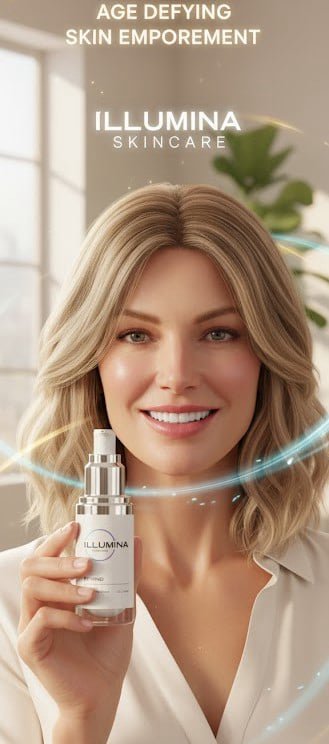
So, how do you put all this dietary wisdom into practice? Look, adding Illumina—an advanced anti-aging skincare cream—can be an excellent complement to your dietary efforts. While you focus on nourishing your skin from the inside, this cream supports your efforts from the outside.
Combining collagen-rich, antioxidant-packed foods with topical nourishment can create a powerful synergy. The nutrients you consume may enhance the skin's natural barrier, while products like Illumina may support elasticity and hydration.
For instance, if you’re eating a diet rich in omega-3 fatty acids and antioxidants, using a quality cream can amplify those benefits. A holistic approach is often the best way to ensure your skin remains healthy and youthful.
If you're in New York, think about how integrating these practices can fit into your lifestyle. The bustling city offers plenty of access to fresh produce and skincare options to help you on this journey.
Combining dietary strategies with high-quality skincare products can significantly enhance your skin's elasticity. It's all about creating a balanced, holistic approach to skincare.
📖 return to our complete skin health guide: The Complete Guide to Skin Health After 40 in 2026 →
Key Takeaways
- Collagen and hydration are vital for maintaining skin elasticity after 40.
- Antioxidants and omega-3 fatty acids play key roles in skin health.
- Limiting sugar intake can significantly improve skin conditions.
- Adequate protein and vitamin D are crucial for collagen production.
- Integrating fermented foods can support gut health, benefiting skin elasticity.
- Advanced skincare products like Illumina can enhance dietary efforts.
References & Sources
Part of Our Complete Guide
The Complete Guide to Skin Health After 40 in 2026Explore the full guide for everything you need to know →